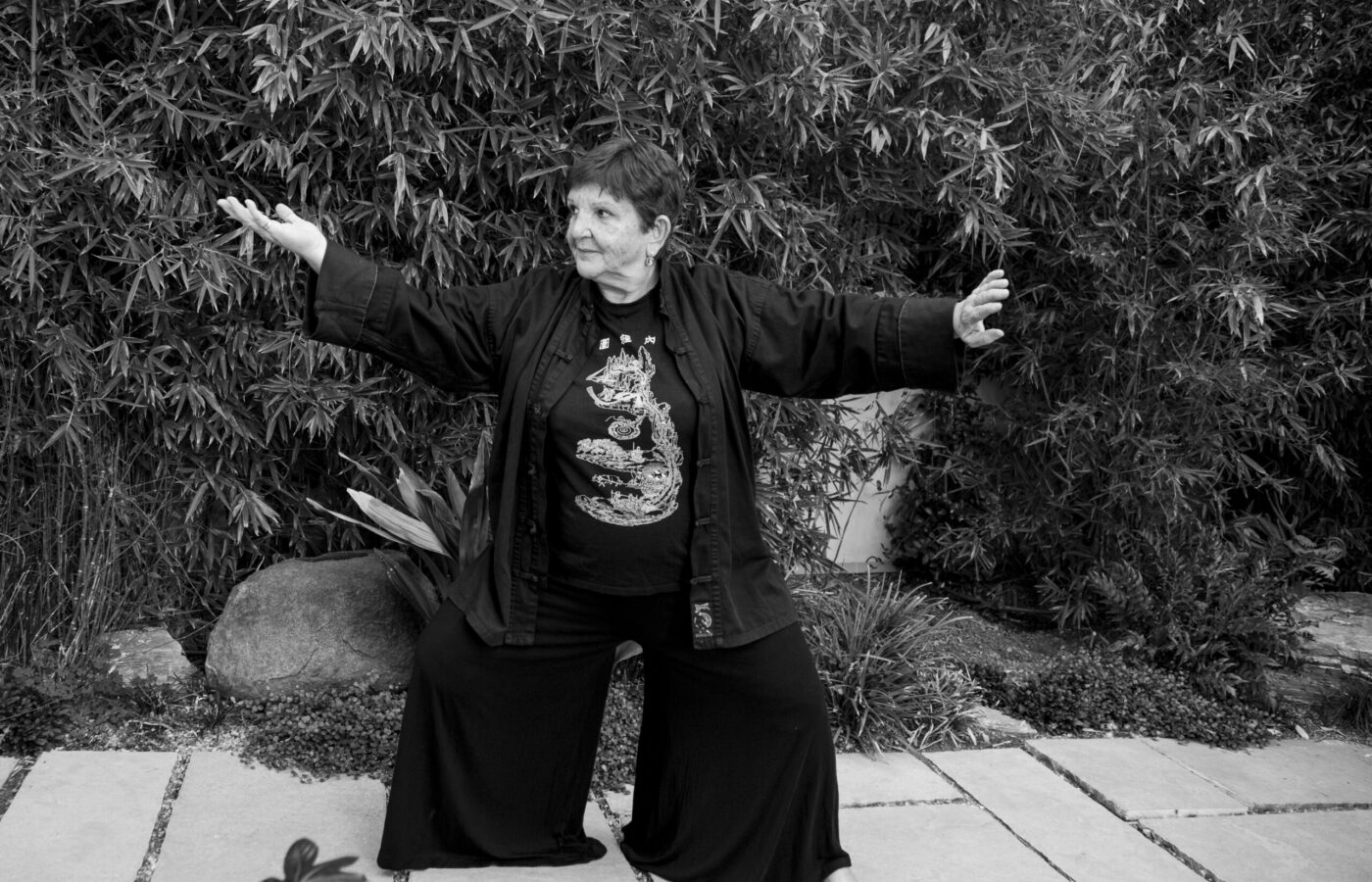
TAI CHI CHUAN
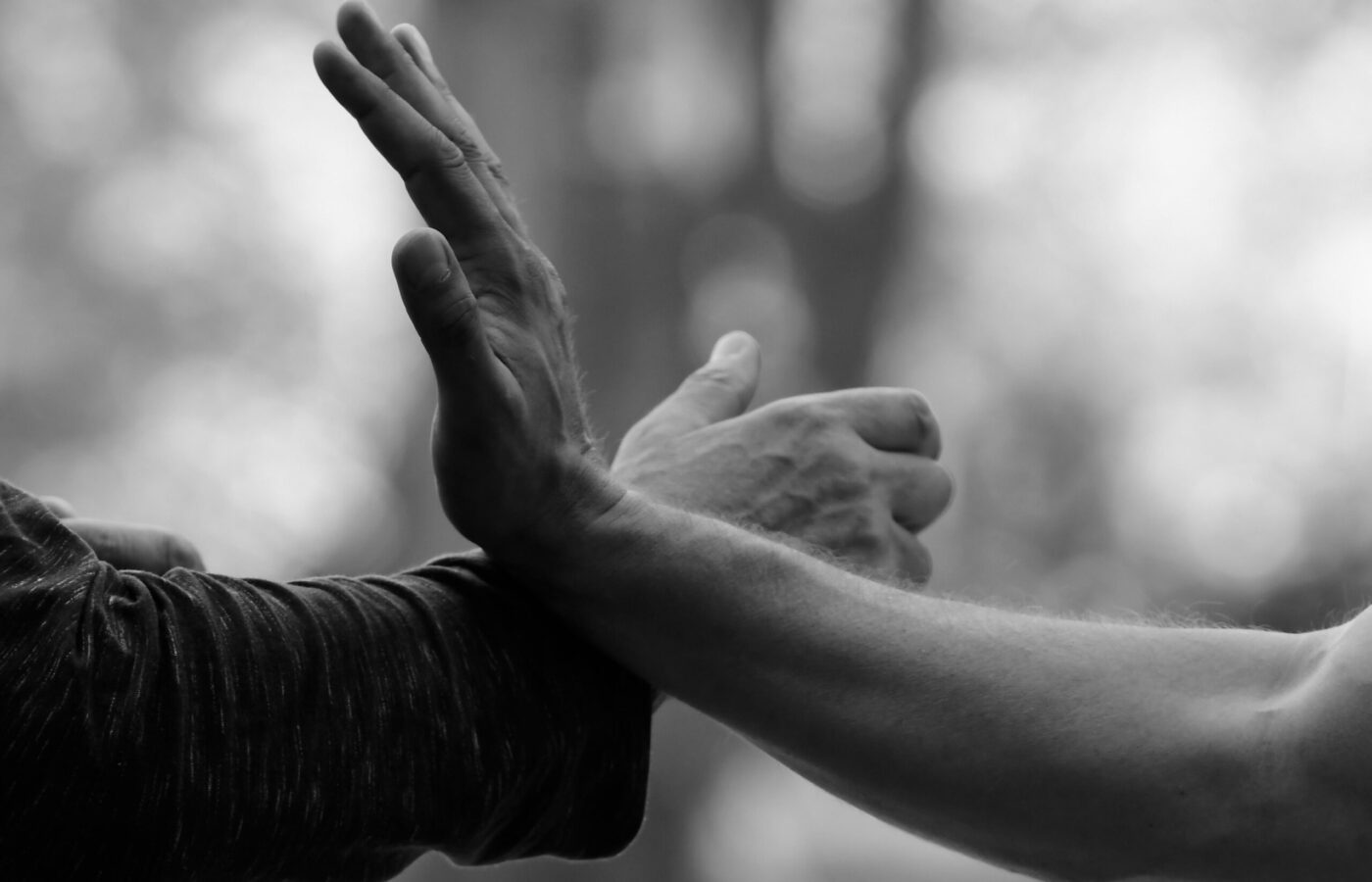
For centuries, Tai Chi has been a cultural treasure of China. Today, it has become a gift accessible to everyone, regardless of age or physical build. The Chinese characters used to represent it can be translated as “Supreme Polarity”, referring to the relationship between Heaven and Earth. The influence of this ancient holistic art is now clearly evident in the West. According to the experience of thousands of practitioners, the oldest of what are known as “internal” or “soft” martial arts has, for many, become a gateway to a deeper understanding of life itself.
According to what is known today, Taijiquan was created by Chen Wangting, a royal guard in the 17th century, in the village of Chenjiagou in Henan Province. Because its roots lie in the martial arts, its practice has traditionally developed in two directions. One is martial, while the other is therapeutic, achieved through very slow and fluid movements that place great emphasis on shifting the body’s weight and maintaining the curved, continuous nature of movement. In this way, it allows the universal energy known as Qi, which is present everywhere, to flow and move freely through the body in harmony with the breath, contributing to increased vitality, good health, mobility and flexibility.
The continuous and fluid movement, without interruption, gives practitioners the opportunity to become aware of their bodies, observe and correct their balance, and gradually begin to “soften” both their movements and their breathing. In the fast pace of everyday life, this does not come easily or immediately. Gradually, through the regular repetition of the movements, one’s approach to the Self and to Life as a whole begins to change.
The mind gradually becomes calmer as the body learns to find balance amidst tension. The speed and clarity of perception increase through the slowing down of movement and the relaxation of the body. Regular practice strengthens the heart and supports healthy blood circulation, improves balance, and benefits the functioning of the hips, joints and muscles. It can also help with stress management and other health-related concerns.
Over time, a sense of wholeness begins to emerge and is gradually experienced in the body. Ultimately, long-term practice cultivates a peaceful character, kindness and integrity.
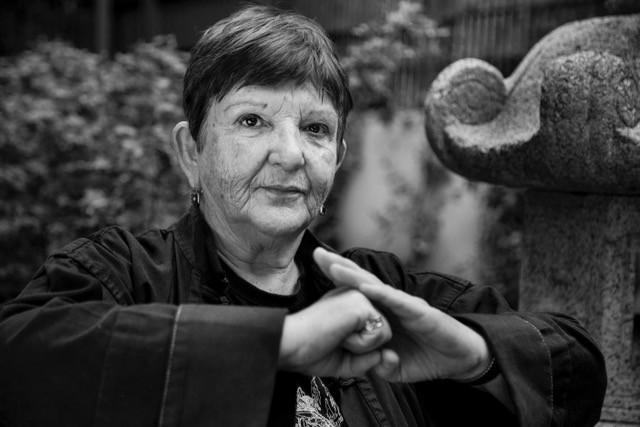
The Teacher